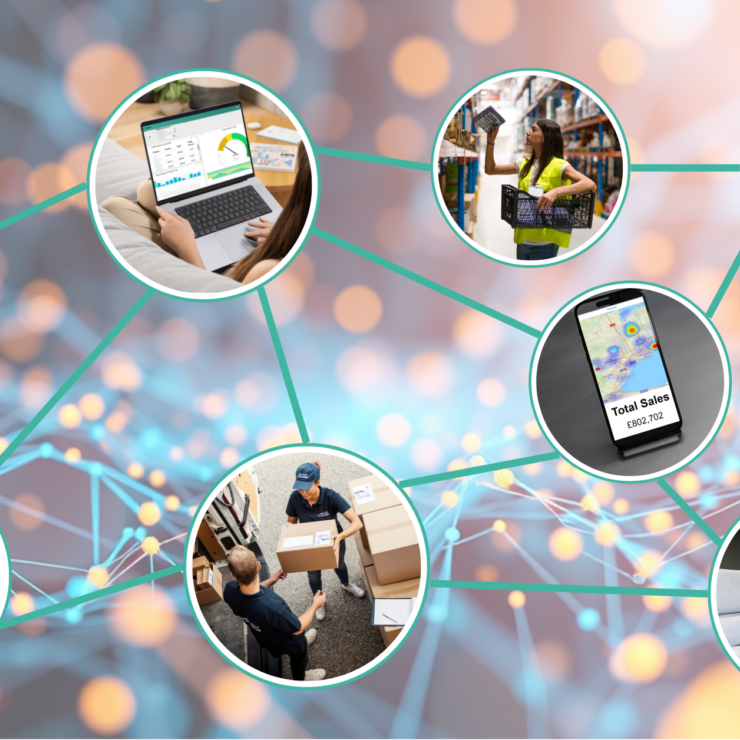
Retailers deal with a lot of moving parts: tracking stock across multiple locations, managing suppliers, keeping customers happy online and in-store, and protecting margins. When those pieces don’t connect, it becomes harder to make confident decisions.
That’s where ERP (Enterprise Resource Planning) comes in. ERP is a central system that ties together sales, stock, finance, purchasing, and customer data. Instead of working with fragmented tools, you gain a single view of your business, real-time visibility, and the control to grow with confidence.
What Is ERP in Retail?
ERP is a software system that integrates all the key functions of your business into one central platform. Instead of juggling disconnected systems for sales, inventory, finance, purchasing, and customer data, ERP brings everything together.
For retailers, this means:
- Centralised inventory management: Track stock across stores, warehouses, and online channels in real time.
- POS integration: Ensure sales data instantly feeds into your financial and stock records.
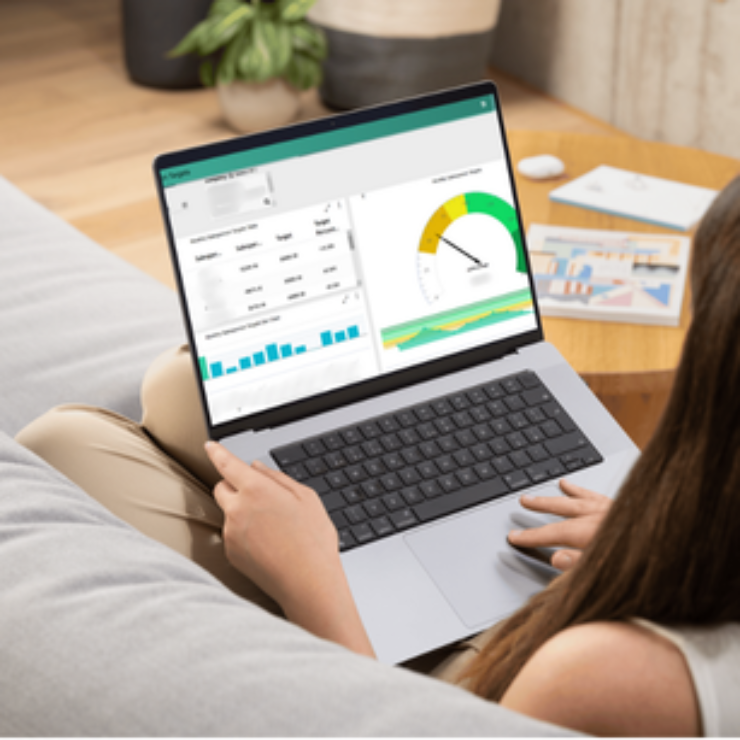
- Clear reporting: Get a single version of the truth with consolidated dashboards and KPIs.
- Customer insights: Access purchase histories, preferences, and loyalty data in one place.
Fundamentally, ERP gives you the ability to run your retail business from a single, unified system.
Why Traditional Systems Hold Retailers Back
A significant amount of retailers still rely on spreadsheets, outdated POS software, or disconnected apps to manage daily operations. While these systems might work at a small scale, they quickly create bottlenecks as your business grows.
- Manual processes slow you down: Entering data by hand increases errors and wastes valuable time.
- Lack of visibility: You don’t know what’s selling well until weeks later, making it harder to react to demand.
- Stock control issues: Without accurate data, you risk over-ordering or running out of bestsellers.
- Poor customer experience: When systems aren’t connected, staff can’t give customers accurate information on stock, delivery, or loyalty rewards.
In retail, these inefficiencies don’t just cost you money, they damage your customer relationships too.
How ERP Changes the Game for Retail
So, how does ERP help to solve these challenges? Let’s look at the biggest ways it makes a difference:
1. Real-Time Inventory Control
ERP systems track stock across every channel and location automatically. That means no more guesswork, fewer stockouts, and the confidence to meet customer demand.
2. Smarter Decision-Making
Because all your data flows into one system, ERP gives you accurate, up-to-date reports. Retailers can quickly spot trends, forecast demand, and make decisions that drive profitability.
3. Improved Customer Experience
With ERP, staff can instantly check stock availability, customer order history, and delivery updates. This leads to faster service, fewer mistakes, and higher customer satisfaction.
4. Greater Efficiency Across Teams
From finance to logistics, everyone works from the same data. That means fewer silos, less duplication, and more time focused on growth.
5. Scalability for Growth
As you expand to new stores, e-commerce platforms, or marketplaces, ERP scales with you, keeping operations streamlined even as complexity increases.
Why ERP Matters Now More Than Ever
Retail has never been more competitive. Shoppers expect personalisation, fast delivery, and consistent service across every channel. At the same time, costs are climbing and margins are tight.
ERP helps by:
- Reducing waste and inefficiency.
- Unlocking deeper customer insights.
- Supporting omnichannel strategies.
- Automating routine admin tasks.
For forward-thinking retailers, ERP is no longer a nice-to-have, it’s the foundation of a competitive retail strategy.
Choosing the Right ERP for Retail
Not all ERP systems are built with furniture and bedding retailers in mind. To truly benefit, you need a solution designed specifically for your sector of retail operations. Key features to look for include:
- Omnichannel integration: Connect in-store POS, e-commerce, and marketplaces in one platform.
- Mobile access: Enable staff to check stock and sales data on the go.
- Advanced reporting: Gain clear insights into KPIs like supplier leaderboards, gross profit reports and sales person commission reports.
- Flexible scalability: Add new stores, product lines, or channels without disruption.
- User-friendly design: Ensure teams can adopt and use the system with minimal training.
A sector-specific, retail-focused ERP doesn’t just help you manage operations; it empowers you to deliver better customer experiences while improving profitability.
Transform Your Retail Business with Ordorite
At Ordorite, we’ve built an ERP system designed specifically for furniture, bedding and carpet retail, giving you the power to manage everything from inventory and sales to purchasing and customer engagement in one intuitive platform.
Our solution helps retailers:
- Gain real-time visibility across every channel.
- Deliver faster, smarter customer experiences.
- Reduce costs by eliminating inefficiencies.
- Scale confidently as your business grows.
If you’re ready to move beyond outdated systems and unlock the full potential of your retail business, it’s time to explore what Ordorite can do.
See how our ERP system can overhaul your operations, and request a demo today.